If you’re selling a condo in DC, you’re competing with similar units just a few taps away on a buyer’s phone. Presentation decides who makes the short list, and that first impression happens online. Concierge sale prep helps you control that moment so your listing stands out, attracts more showings, and sells with less stress. In this guide, you’ll see what concierge prep includes, how it helps DC condo sellers, what it costs, and when it’s worth it. Let’s dive in.
What concierge prep includes
Concierge prep is an end-to-end, agent-coordinated plan to get your condo market-ready. It typically covers scoping, vendor management, cleaning, minor repairs, painting, staging, and professional media. The goal is to elevate condition and presentation without you managing dozens of moving parts.
Payment models vary. Programs like Compass Concierge market a managed option with no upfront cost until closing, while terms can vary by market. Independent pay-at-closing providers can also coordinate work if you meet equity and eligibility rules. You can always opt to pay vendors directly if that fits your timeline and budget.
Expect a polished media package. Professional photography, floor plans, and a virtual tour are now standard for serious listings. Research shows this stack is what drives online interest and showing activity.
Why it works in DC
Washington’s condo and co-op segment can move slower than single-family homes. In a late-2025 snapshot, a local report summarizing Bright MLS data noted a median condo/co-op sold price around $442,000 and average days on market in the upper 50s during November 2025, a sign that presentation can materially impact outcomes (local DC update). When supply feels sticky, stronger presentation helps your listing pop.
National findings support this approach. In its 2025 Profile of Home Staging, the National Association of REALTORS reported that about 29% of agents saw a 1% to 10% increase in offer value from staging, and roughly 49% of sellers’ agents said staging reduced time on market (NAR 2025 staging report). The Real Estate Staging Association’s market samples in 2025 showed very strong sale-to-list results and faster sales for staged homes, though those figures reflect projects that chose to stage rather than a randomized control (RESA statistics).
Buyer behavior is the “why” behind these gains. Buyers start and narrow their search online, so high-quality photos and tours often determine which homes make the cut for in-person showings. NAR’s 2025 buyer-seller profile underscores how central online presentation is to today’s buyer journey (NAR buyer-seller profile highlights).
Is concierge right for you
Start with two quick qualifiers. First, equity and timing: many pay-at-closing options require sufficient equity and repayment at closing. If you need an immediate cash-out or have very low equity, a concierge financing model may not fit (Curbio eligibility overview).
Second, market fit. Concierge prep tends to pay off when competing listings show better condition, when you plan to price near the top of your building’s comps, or when quick cosmetic updates will close a gap to higher-performing comparables. At a minimum, decluttering and deep cleaning are almost always worth it per agent surveys in the NAR staging report.
A simple step-by-step timeline
Pre-listing consult and scope (1–3 days). Your agent walks the unit, sets priorities, and outlines a budget and timeline. This usually includes paint colors, lighting swaps, minor repair lists, and a staging plan (Compass Concierge overview).
Vendor scheduling and building approvals (3–14 days). For condos and co-ops, elevator holds, certificates of insurance, and delivery windows need building sign-offs. Co-ops may add extra approvals and rules, so add calendar padding here (DC co-op rules primer).
Work window (1–6 weeks by scope). Painting, handyman fixes, lighting updates, cleaning, and staging install happen in sequence. Pay-at-closing providers aim to move efficiently so you can launch on schedule (Curbio eligibility overview).
Media day and MLS launch (1–3 days). Professional photography, floor plans, and a virtual tour go live. Many agents list mid-to-late week to capture weekend traffic, which aligns with how buyers plan showings (NAR buyer-seller profile highlights).
Budget and ROI basics
Every building, unit size, and scope will differ, but these ranges help you plan:
- Small, presentation-first refresh: $500 to $3,000. Think deep clean, declutter, lighting updates, minor touchups, plus professional photos. NAR reported a national median fee near $1,500 when a professional stager was used (NAR 2025 staging report).
- Moderate scope: $3,000 to $10,000. Staging key rooms, select repairs, and full media. RESA’s sampled projects in 2025 showed an average staging investment around $3,813, recognizing that samples skew toward staged listings (RESA statistics).
- Larger refresh: 1% to 3% of list price and up. That might include a bath vanity update, flooring refinishing, or a kitchen cosmetics package plus staging. Broker programs such as Compass Concierge advise budgeting conservatively and tying spend to clear comp-driven upside (Compass Concierge overview).
If you plan a bigger spend, run the math against building comps before greenlighting work. You want targeted improvements that move perceived value and justify your price point, not open-ended projects.
Staging priorities for condos
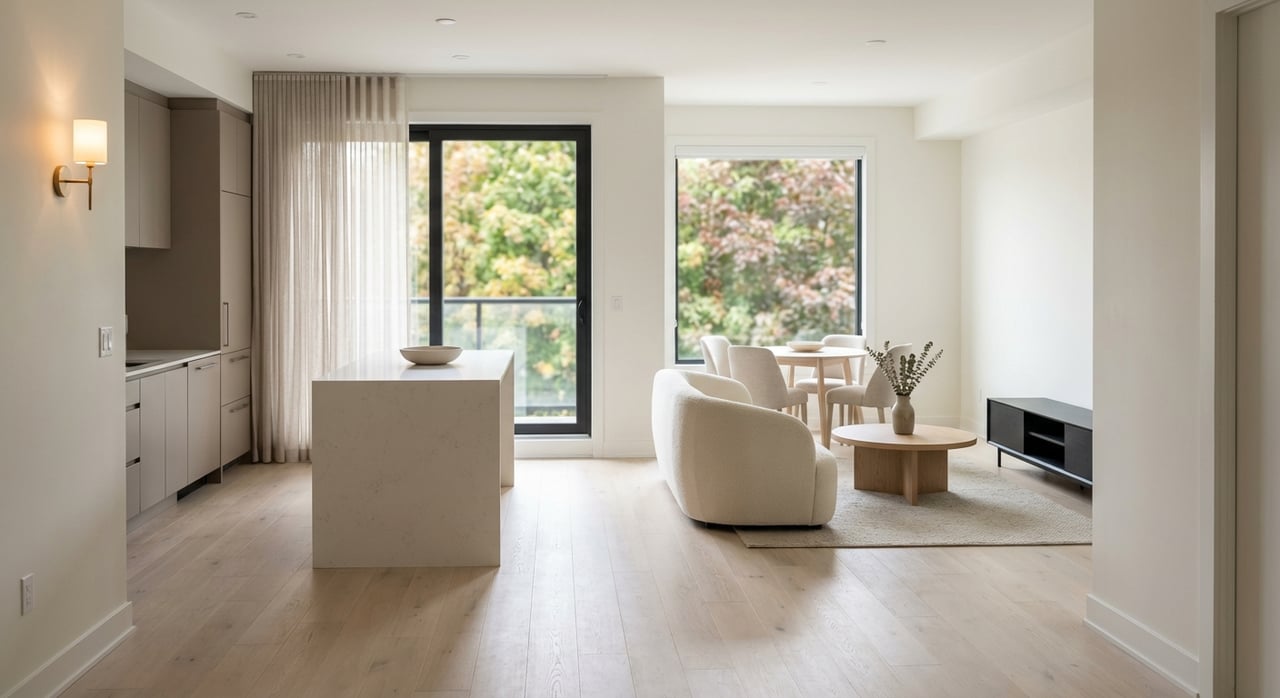
Focus where buyers focus. NAR data shows the living room, primary bedroom, and kitchen rank as the most influential spaces for buyer impressions (NAR 2025 staging report). If your budget is tight, stage those rooms first and keep decor neutral.
Show function and flow. In small urban footprints, right-size the furniture, clear pathways, add mirrors, and layer lighting to amplify volume. These small-space strategies help camera angles and in-person feel. Cost guides confirm that partial staging can deliver impact without a full-house rental package (BHG staging cost guide).
Market the lifestyle. Photography and your description should highlight building amenities that matter to DC buyers, like parking, storage, front-desk service, a gym, bike rooms, or roof decks. This is where you help buyers connect HOA fees to tangible value.
Co-op specifics to plan for
If you’re selling a co-op, your timeline may include board-related steps. Gather building financials, recent minutes, house rules, and transfer requirements early, and confirm any transfer fees or flip taxes that may apply. These items can influence buyer timelines and should be ready for due diligence (DC co-op rules primer).
Co-ops often have additional vendor restrictions. Request the full vendor packet before scoping work, including COI requirements, elevator reservation policies, and permitted work hours. Planning around those rules helps keep your timeline on track.
When to skip concierge
Concierge prep is not a one-size solution. If you have very low equity or must sell immediately for cash, pay-at-closing models likely will not fit because repayment is still due at closing and eligibility rules apply (Curbio eligibility overview).
If the unit requires major structural work or is priced well below market, cosmetic updates may not move the needle. In those cases, a transparent as-is strategy can be cleaner and faster for everyone (BHG staging cost guide).
Some buildings add logistical friction that outweighs benefits. Very small units with tight elevators or strict vendor rules can make staging costly relative to the expected uplift. Confirm building logistics early.
How we run your prep
You get a tailored plan to fit your building, comps, and timeline. We start with a walkthrough, prioritize high-impact updates, and coordinate vetted vendors for cleaning, repairs, painting, and staging. We then deliver professional photos, floor plans, and a virtual tour that syndicate across Bright MLS and Compass for strong online presence.
When it fits your goals and eligibility, we can explore a Compass-backed concierge path that defers upfront costs until closing, with clear scopes and timelines (Compass Concierge overview). If a lighter-touch plan makes more sense, we focus on decluttering, cleaning, and targeted staging of key rooms. Your experience stays hands-off and transparent either way.
Ready to see what a tailored plan could do for your condo? Schedule a free concierge consultation with Gabriel Oran - Main Site.
FAQs
What is concierge prep for a DC condo sale
- It is an agent-managed plan to handle pre-listing work like cleaning, repairs, staging, and professional media so your condo launches market-ready with minimal hassle to you.
How much does condo staging typically cost in DC
- Costs vary by unit size and scope, but national references suggest $500 to $3,000 for light prep, $3,000 to $10,000 for moderate staging and repairs, and larger refreshes at 1% to 3% of list price.
Does staging really help condo sellers get better offers
- NAR’s 2025 staging report found many agents saw a 1% to 10% increase in offer value and shorter time on market when listings were staged, though results vary by unit and market.
How long does concierge prep take before listing
- Simple plans can be ready in 1 to 2 weeks, while more involved updates may take 3 to 6 weeks including building approvals, vendor scheduling, and staging.
Can I use pay-at-closing renovation services for my condo
- Often yes, if you meet equity and eligibility requirements; programs like Compass Concierge and independent providers outline terms and repayment at closing.
Are co-op sales different from condos when using concierge
- Yes. Co-ops may add board packages, transfer rules, and vendor restrictions, so build extra time for approvals and prep documents early to keep momentum.