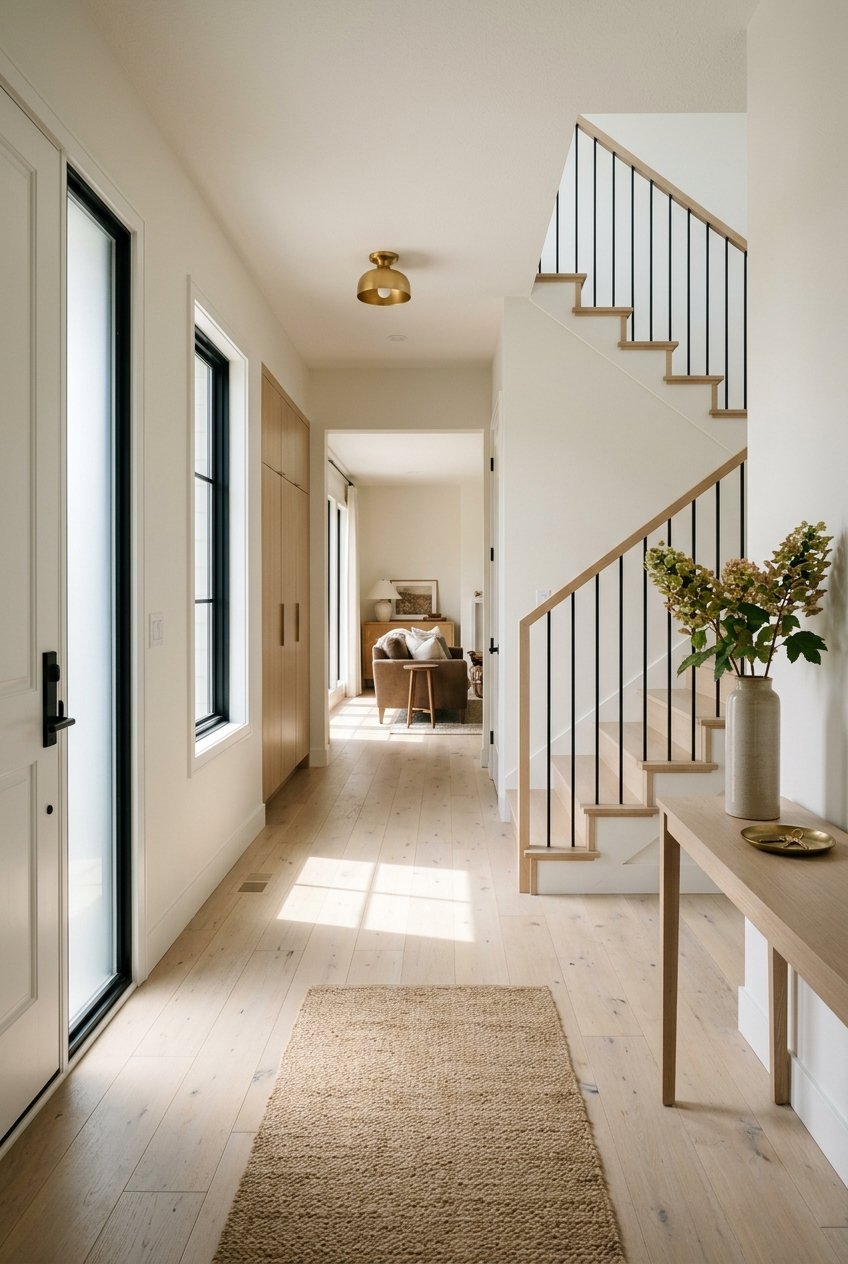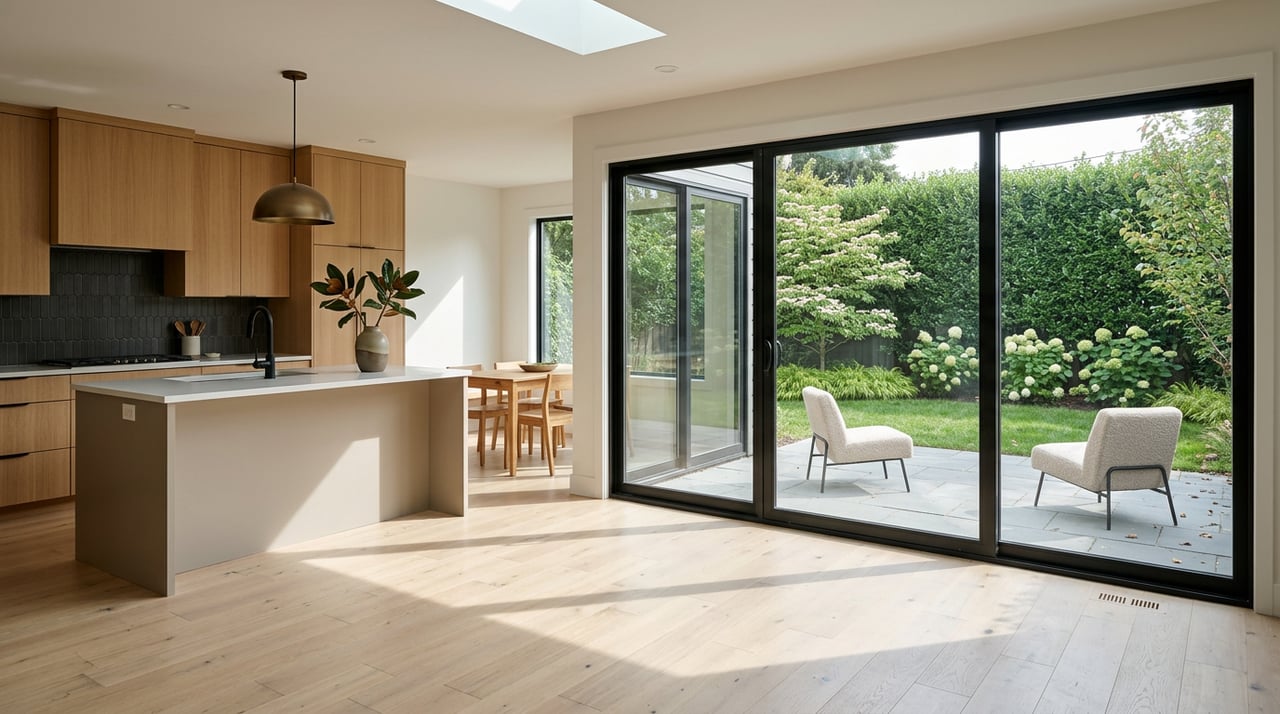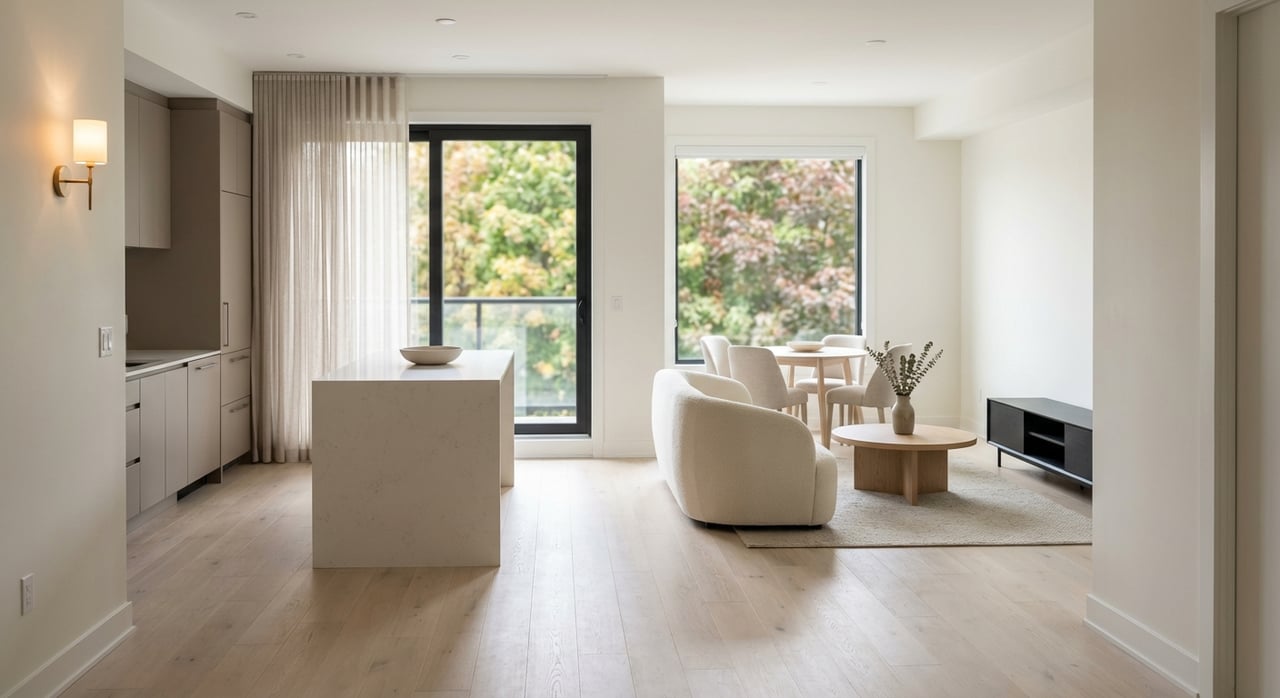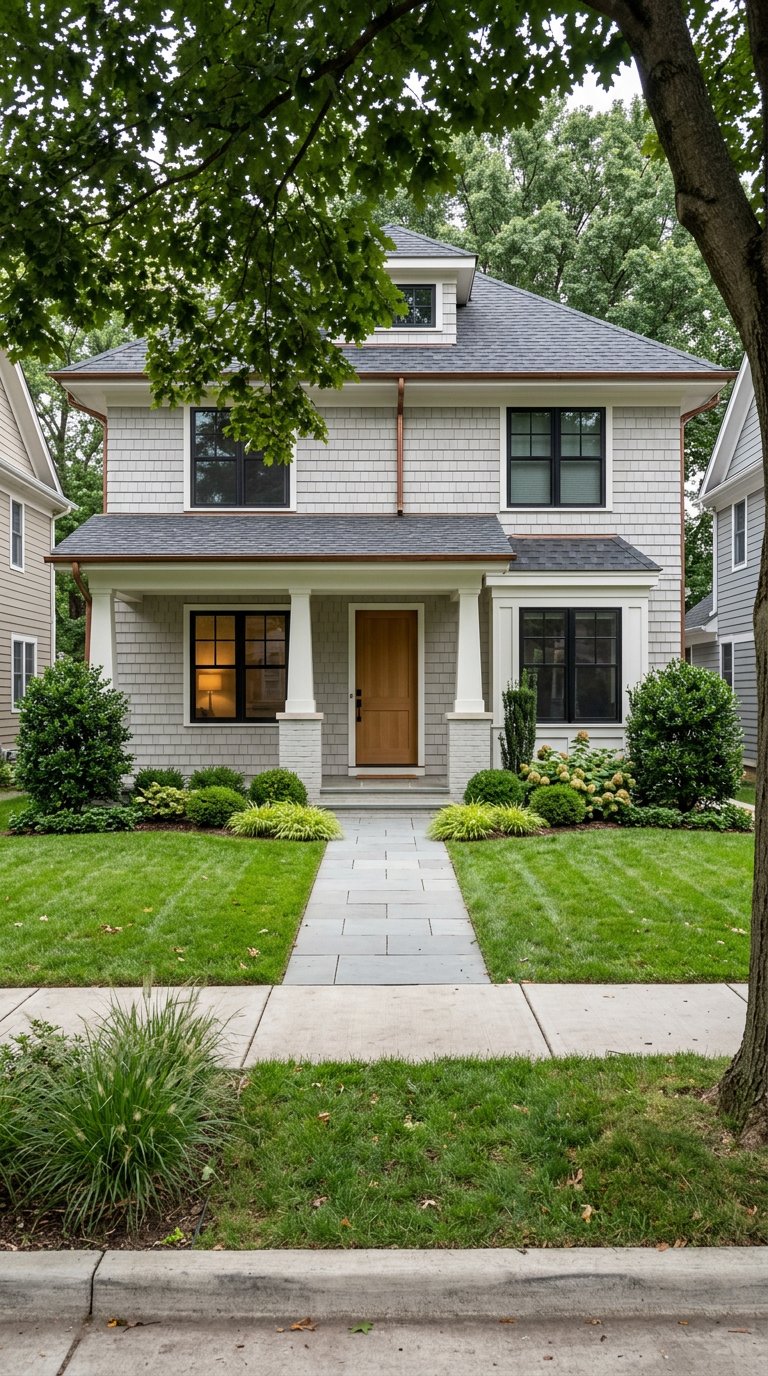
Trying to choose a Bethesda neighborhood that balances easy walking and strong public school options can feel like a tug-of-war. You might love the idea of strolling to dinner and Metro, yet you also want a clear path through MCPS clusters. The good news is you have several solid choices, each with its own tradeoffs. This guide breaks down the key pockets of Bethesda so you can match your priorities to the right streets. Let’s dive in.
How to weigh walkability and schools
Walkability in Bethesda changes block by block. The downtown core is a Walker’s Paradise, while many interior streets are car-oriented. Start with a Walk Score check for the exact address you have in mind. In the very center, Walk Score rates Bethesda’s core highly, and the Red Line’s Bethesda Metro station is a major anchor.
For schools, most downtown and close-in addresses are within the Bethesda-Chevy Chase cluster, while many west and southwest neighborhoods feed the Whitman cluster. Boundaries are address-specific, and Montgomery County Public Schools periodically reviews them. Use county resources to confirm the current feeder path for any single property and to track boundary study updates.
Downtown Bethesda: walkers’ paradise lifestyle
Central Bethesda, including Bethesda Row and Woodmont Triangle, is ideal if you want an urban feel, short commutes, and a leave-the-car lifestyle. Walk Score lists the downtown core as a Walker’s Paradise. With Metro, dining, and daily needs close by, your errands can be quick on foot.
School context: Much of the downtown plan area falls within the Bethesda-Chevy Chase cluster. Commonly referenced elementary schools for nearby addresses include Bethesda Elementary, Somerset, and Westbrook. Middle is often Westland, and high is Bethesda-Chevy Chase High School. Assignments vary by block, so confirm specifics using county tools and the Bethesda Downtown Plan schools page.
Housing mix: You will mostly find condos, apartments, and some townhomes, with a smaller number of single-family homes right on the edges. Citywide medians in Bethesda often sit around the low one-million range, and downtown condos can price below large single-family homes in close-in neighborhoods. Expect higher cost per square foot in central locations.
You may like downtown if you want:
- A quick walk to Metro, restaurants, and errands.
- Minimal yard maintenance and newer building amenities.
- An urban energy with short commute times.
Close-in pockets: Somerset, Edgemoor, Battery Park, Westbrook
These leafy neighborhoods sit just outside the downtown core. Many blocks are a short walk to the Capital Crescent Trail or Friendship Heights, though walkability varies widely within each pocket. For example, the address at Somerset Elementary shows a Walk Score in the mid-50s, which is considered somewhat walkable, while interior blocks can read lower. See a real example here: Somerset address Walk Score snapshot.
School context: Many addresses in these close-in pockets are associated with Bethesda-Chevy Chase feeders, with elementary options like Somerset or Westbrook, Westland for middle, and B-CC for high in many cases. Always verify by address. For a feel of school community life, the Somerset Elementary PTA provides useful context for new families.
Housing mix: Mostly single-family homes on larger lots. You will see a mix of classic houses and newer rebuilds, with tight inventory for larger lots. The tradeoff is less direct walkability to the center compared to a condo in downtown, but you gain space indoors and out.
You may like these pockets if you want:
- Larger homes and yards within a short drive or bike ride of downtown.
- Proximity to the Capital Crescent Trail or Friendship Heights.
- A neighborhood feel with nearby MCPS elementary options.
Whitman-cluster neighborhoods: Bradley Hills, Bannockburn, Wyngate, Burning Tree
West and southwest of downtown, these neighborhoods offer a more suburban setting. Streets are quieter, lots tend to be larger, and mid-century colonials are common. Many addresses are car-oriented or only somewhat walkable to shops, so daily errands may involve short drives.
School context: These neighborhoods largely feed into Thomas W. Pyle Middle School and Walt Whitman High School. Explore programs and feeder information on the Pyle MS page. Parent participation and community involvement are known priorities in this area. As always, confirm the current assignment for any specific address.
Housing mix: Predominantly single-family homes, often with more private outdoor space than you will find in the downtown core. Buyers here typically trade immediate walkability for house size, yard space, and consistent feeder patterns within the Whitman cluster.
You may like this area if you want:
- Larger single-family homes and a more residential setting.
- Access to established MCPS feeder pathways into Pyle and Whitman.
- Quieter streets and green space over downtown convenience.
Redevelopment nodes: Westbard, Pike & Rose, Grosvenor
These corridors are evolving with townhomes, mid-rise buildings, and mixed-use elements. Walkability is highly variable, depending on the exact address and site plan. Some blocks have a quick walk to groceries or a café, while others require short drives for errands. Use address-level checks for accuracy.
School context: Addresses near Westbard and the western edges may fall into either the Whitman or Bethesda-Chevy Chase cluster depending on the block. MCPS has an active boundary study tied to the reopening of Woodward High, planned for 2027, which may affect some middle and high school assignments on cluster edges. For updates and timelines, check the MCPS boundary study page.
Housing mix: A growing supply of newer construction and townhomes. This can be appealing if you prefer newer interiors and lower maintenance over an older single-family home. The tradeoff is that you may be farther from the central downtown grid, so walking routes to core amenities might be longer.
You may like these nodes if you want:
- Newer finishes and lower-maintenance housing.
- A mixed-use setting without living in the very center of downtown.
- Flexibility on an address that may sit near a cluster boundary, with plans to verify school assignments.
Quick verification checklist
- Always verify the MCPS school assignment by property address using the district’s official tools and the boundary study page. Boundaries are address-specific.
- Use Walk Score for Bethesda and, when possible, a specific address to gauge daily-walk potential.
- Note the ongoing MCPS boundary study tied to Woodward’s reopening. Timelines and maps may change for edge-of-cluster addresses. Check for the latest updates on the MCPS boundary study page.
How to choose your Bethesda fit
- If walk-first is your priority: Focus on the downtown core around Bethesda Row and Woodmont Triangle. The Bethesda Metro station is a major convenience for daily commuting.
- If a larger home plus nearby elementary options matter most: Explore Somerset, Edgemoor, Battery Park, and Westbrook. Walkability depends on the block, but you gain space and neighborhood feel. Use the Bethesda Downtown Plan schools page to understand typical B-CC cluster context in close-in areas, then confirm by address.
- If you want new construction and lower-maintenance living: Look at Westbard or select North Bethesda edges like Pike & Rose or Grosvenor. Confirm walkability per site and keep an eye on the MCPS boundary study if you are near a cluster edge.
When you are ready, a local, concierge-style approach can help you weigh these tradeoffs with real addresses, actual walk times, and up-to-date school assignment checks. If you like, we can also tailor a short-list that lines up with your commute, price range, and timing.
Ready to take the next step? Schedule a tour plan, get pointed address-level school verifications, and compare neighborhoods side by side. Connect with Gabriel Oran - Main Site to schedule your free concierge consultation and map out a confident Bethesda move.
FAQs
Which Bethesda areas are most walkable if I do not want a car?
- The downtown core around Bethesda Row and Woodmont Triangle is rated a Walker’s Paradise. Start your search there and confirm block-level details using Walk Score for Bethesda.
How do MCPS school clusters work for downtown Bethesda addresses?
- Many downtown addresses are within the Bethesda-Chevy Chase cluster, with elementary schools like Bethesda Elementary, Somerset, or Westbrook depending on location, and Westland and B-CC for middle and high in many cases. See the Bethesda Downtown Plan schools page and confirm any address with MCPS.
What should I know about boundary changes in Montgomery County?
- MCPS is conducting a multi-year boundary study tied to reopening Woodward High, planned for 2027, which can affect some middle and high assignments near cluster edges. Check the MCPS boundary study page for updates.
Where do the Whitman-cluster neighborhoods typically feed?
- Many addresses in Bradley Hills, Bannockburn, Wyngate, and Burning Tree areas feed into Thomas W. Pyle Middle School and Walt Whitman High School. Review feeder info on the Pyle MS page and confirm by address.
Is there Metro access beyond the core if I am near Chevy Chase or Somerset?
- Yes. Friendship Heights is a nearby Red Line station for northern Chevy Chase and Somerset edges, and the Bethesda Metro serves the downtown core. Walking times depend on the exact block, so map the route before deciding.