Torn between the leafy calm of Chevy Chase and the energy of Northwest DC? You’re not alone. Both offer great lifestyles within minutes of downtown, yet the day-to-day feel is very different. In this guide, you’ll compare space, commute, walkability, schools, taxes, and renovation factors to see what truly fits your routine. Let’s dive in.
Housing and space
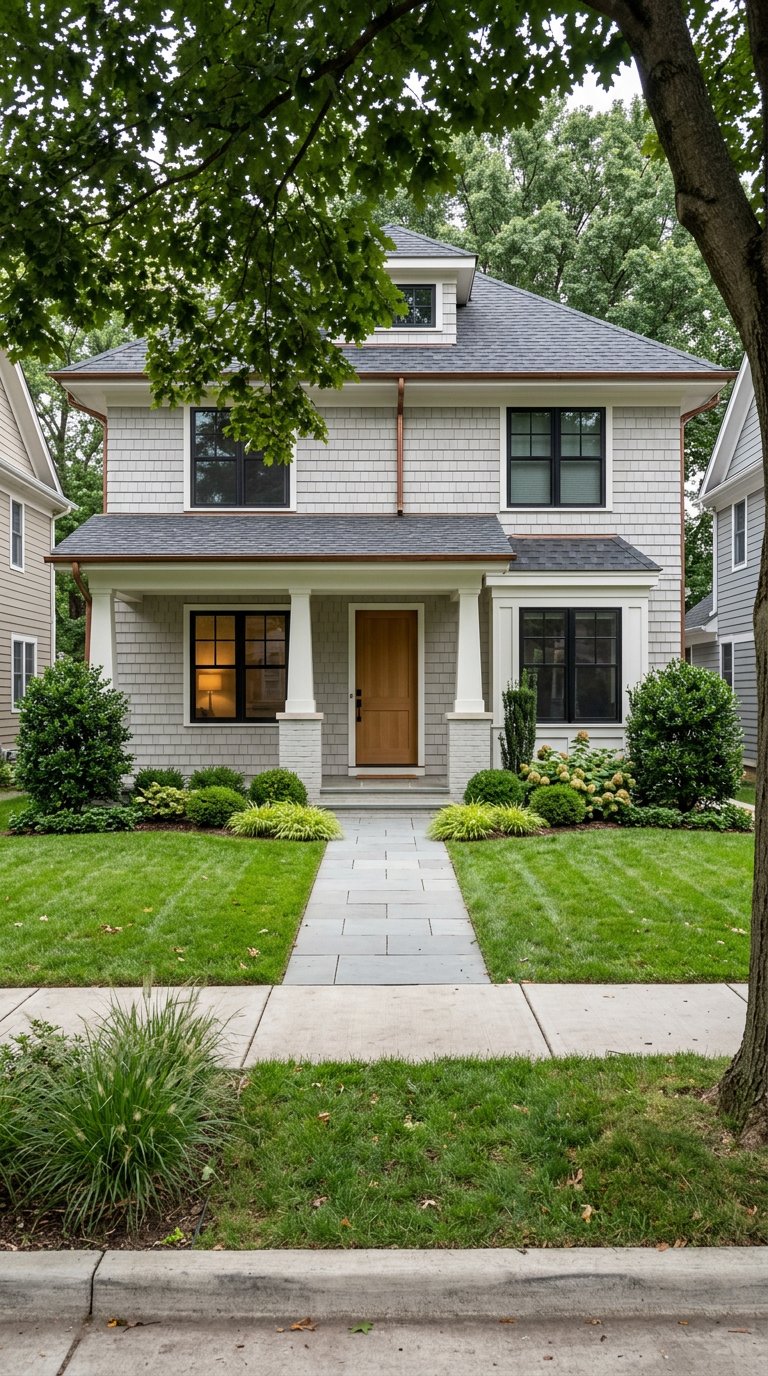
If you want a detached home and a private yard, Chevy Chase often delivers. Recent American Community Survey data for the Chevy Chase CDP shows roughly two thirds of homes are 1‑unit detached, a strong signal that single‑family living with driveways and green space is the norm. You’ll see early 20th‑century Colonials, Tudors, and bungalows, plus many renovated or rebuilt homes on larger lots. Chevy Chase ACS housing tables
In core Northwest DC, the mix shifts. Expect historic rowhouses, small back patios, alley garages, garden flats, and a large condo market. Interior square footage often trades for a walkable address. Blocks vary by pocket, but attached homes and multi‑unit buildings are common citywide.
Commute and transit
Both areas plug into the Red Line, which is the backbone for many downtown commutes. Under normal patterns, peak headways are frequent, and stations like Friendship Heights and Bethesda serve Chevy Chase residents heading downtown. If you live in central NW DC, you may be within a short walk of Red Line stations in Cleveland Park, Woodley Park, or Dupont. For context on service patterns, see the Red Line overview.
Driving is straightforward in Chevy Chase thanks to suburban streets and arterials like Connecticut Avenue, though rush‑hour congestion is common. In NW DC, trips are often shorter in distance, but parking is tighter and typically permit or meter controlled. DC’s ParkDC program manages residential and visitor parking rules, and it’s smart to review guidance on car and permit options. For Maryland blocks that use local programs, check the Montgomery County RPP page.
Walkability and daily life
If you picture a car‑optional routine, central NW DC pockets like Dupont Circle, Logan Circle, and parts of Georgetown make it easy to walk to groceries, gyms, restaurants, and nightlife. Many Dupont addresses score in the high 90s on Walk Score, which translates into quick errands on foot. See an example of high walkability in Dupont Circle.
Chevy Chase varies by block. Homes close to the Friendship Heights and Connecticut Avenue corridors feel very walkable, with coffee, retail, and Metro nearby. Interior residential streets lean more suburban and may be car‑dependent for daily errands. Rock Creek Park access is a plus for trails and green space, and larger grocery and retail hubs are nearby in Friendship Heights and downtown Bethesda.
Schools and education options
Chevy Chase addresses commonly feed into local Montgomery County Public Schools such as Chevy Chase Elementary or North Chevy Chase Elementary, then Westland Middle and Bethesda‑Chevy Chase High. Exact assignments depend on your address, and performance data is published by the state. To review official Maryland school information, use the Maryland Report Card.
In NW DC, families choose among DC Public Schools, public charter schools, and many private options. Programs and outcomes vary by school and program type, and some DCPS schools have specialized or selective options. System‑level and school‑level data are available through DC’s education office. Explore DC’s OSSE data and reports to understand offerings and trends.
Tip: Always verify the exact feeder pattern for a specific address, and consider both commute and after‑school logistics as you compare.
Price context and expectations
Chevy Chase is widely regarded as one of the region’s priciest suburban areas, with many single‑family homes trading well above broader county medians depending on the street and the home’s condition. County medians offer useful background, but micro‑location and property type drive pricing most. For regional context on Maryland sales trends, review the Maryland REALTORS year‑end stats, and for the city, note that some NW pockets rank among DC’s most expensive neighborhoods while condos and walk‑ups can provide lower entry points. See a snapshot of top DC neighborhoods in this local overview of expensive DC areas.
Bottom line: set expectations by property type and block. A renovated detached home near Friendship Heights lives in a different price band than a city condo a few Red Line stops away.
Taxes and closing costs
Property taxes and transfer or recordation costs differ between DC and Maryland. DC’s Class 1 residential tax rate and credits are outlined in the city’s tax guide. Review current details in the DC Tax Facts Visual Guide. For Montgomery County, rates and homeowner credits are set each year and published by the county’s finance department. See the Montgomery County tax information page.
Condo or co‑op fees, HOA dues, and transfer or recordation taxes can be material at closing in both jurisdictions. Ask your agent and title company for a line‑item estimate early so you can compare apples to apples.
Zoning, review, and renovations
Chevy Chase includes incorporated villages and towns that may have local design guidelines or review processes in addition to county permitting. If you plan an addition or exterior change, check the relevant village or town guidance, such as the resources published by Chevy Chase Village.
In NW DC, many neighborhoods sit within historic districts. That can influence exterior changes, window choices, and additions. Understanding permit paths early helps set timelines and budgets.
Day-in-the-life matches
- Family seeking a yard and public schools
- You might walk or take a short drive for school drop‑off, then head to the Red Line at Friendship Heights or drive downtown. After school, county fields and parks are close, and weekends often center on your backyard.
- Two professionals who want walkable evenings
- You may start your day with a short walk to coffee and end it at a restaurant or theater within a few blocks. Your car is for weekend trips, not daily errands. Central NW DC often fits this routine.
- Hybrid worker who needs yard plus quick transit
- A Chevy Chase home near Connecticut Avenue or a NW DC pocket close to the Red Line can balance a small yard with easy train access. Aim for a 10 to 15 minute station trip, then a short Red Line ride.
- Downsizer who prefers low maintenance
- Condo living in Dupont or Georgetown, or a building in Friendship Heights, offers elevator access, nearby healthcare, markets, and cultural venues with minimal upkeep.
Quick decision checklist
- Space you need now and later: detached home with yard or attached or condo living.
- Commute reality: Red Line access, door‑to‑door timing, or car‑first habits.
- Daily rhythm: walk to dinner and errands or a quieter street and larger parks.
- School logistics: verify address assignments and program options.
- Budget and fees: taxes, transfer and recordation costs, and HOA or condo dues.
- Renovation plans: village or historic district review, permits, and timelines.
Ready for guidance?
Whether you land on Chevy Chase or NW DC, the right fit comes from seeing homes, comparing commutes, and confirming the details that shape daily life. If you want a tailored plan, local comps, and a clear next step, schedule a free concierge consultation with Gabriel Oran - Main Site.
FAQs
What is the biggest housing difference between Chevy Chase, MD and NW DC?
- Chevy Chase skews to detached single‑family homes with yards, while NW DC has more rowhouses, condos, and small multi‑unit buildings.
How long is a typical Red Line commute from Friendship Heights to downtown DC?
- Train time to central stations can be around 15 minutes under normal service patterns, plus your walk time on each end.
How do school choices differ between Chevy Chase, MD and NW DC?
- Chevy Chase uses MCPS feeder patterns that vary by address, while NW DC offers DCPS, public charter, and private options with program differences by school.
What should I know about property taxes in DC versus Montgomery County?
- DC and Montgomery County have different rates and credits, so review DC’s tax guide and the county’s finance page to estimate your specific bill.
How do parking permits work in NW DC and in Montgomery County neighborhoods?
- Many DC blocks use residential permits and visitor passes under ParkDC, while some Maryland blocks use county RPP programs set by petition and block.
Are there extra rules for renovations in Chevy Chase or NW DC?
- Some Chevy Chase villages have local design review in addition to county permits, and many NW DC neighborhoods are in historic districts that guide exterior changes.